
Explore our therapeutic rationale, the pipeline built on three generations of Alpha-1 Antitrypsin, and the preclinical evidence supporting our FDA recognition.
learn more

The disease
Charcot–Marie–Tooth disease (CMT) is one of the most common inherited neurological disorders, affecting the peripheral nervous system. In the predominant subtype, CMT1A, a duplication of the PMP22 gene disrupts myelin production, impairing the ability of peripheral nerves to transmit signals efficiently. Over time, progressive nerve damage leads to muscle weakness, sensory deficits, and loss of function.
The patient burden
The disease typically manifests during childhood or adolescence and progresses throughout life. Patients experience a gradual decline in mobility, muscle strength, and fine motor skills, often accompanied by foot deformities, balance impairment, and reduced independence. The cumulative impact extends beyond physical symptoms, affecting education, employment, and quality of life.
The treatment gap
Despite decades of efforts, no approved disease-modifying therapy is available for CMT. Current standard of care focuses on symptom management, rehabilitation, and supportive interventions, without addressing the underlying disease process. The development of therapies capable of slowing or altering disease progression remains a critical unmet need for patients and families worldwide. Ageronix is advancing a new therapeutic strategy aimed at bringing disease-modifying treatment options to the CMT community.
A clinically validated molecule with more than 30 years of therapeutic use, repurposed to address the inflammatory mechanisms that contribute to nerve degeneration in Charcot–Marie–Tooth disease.
01.
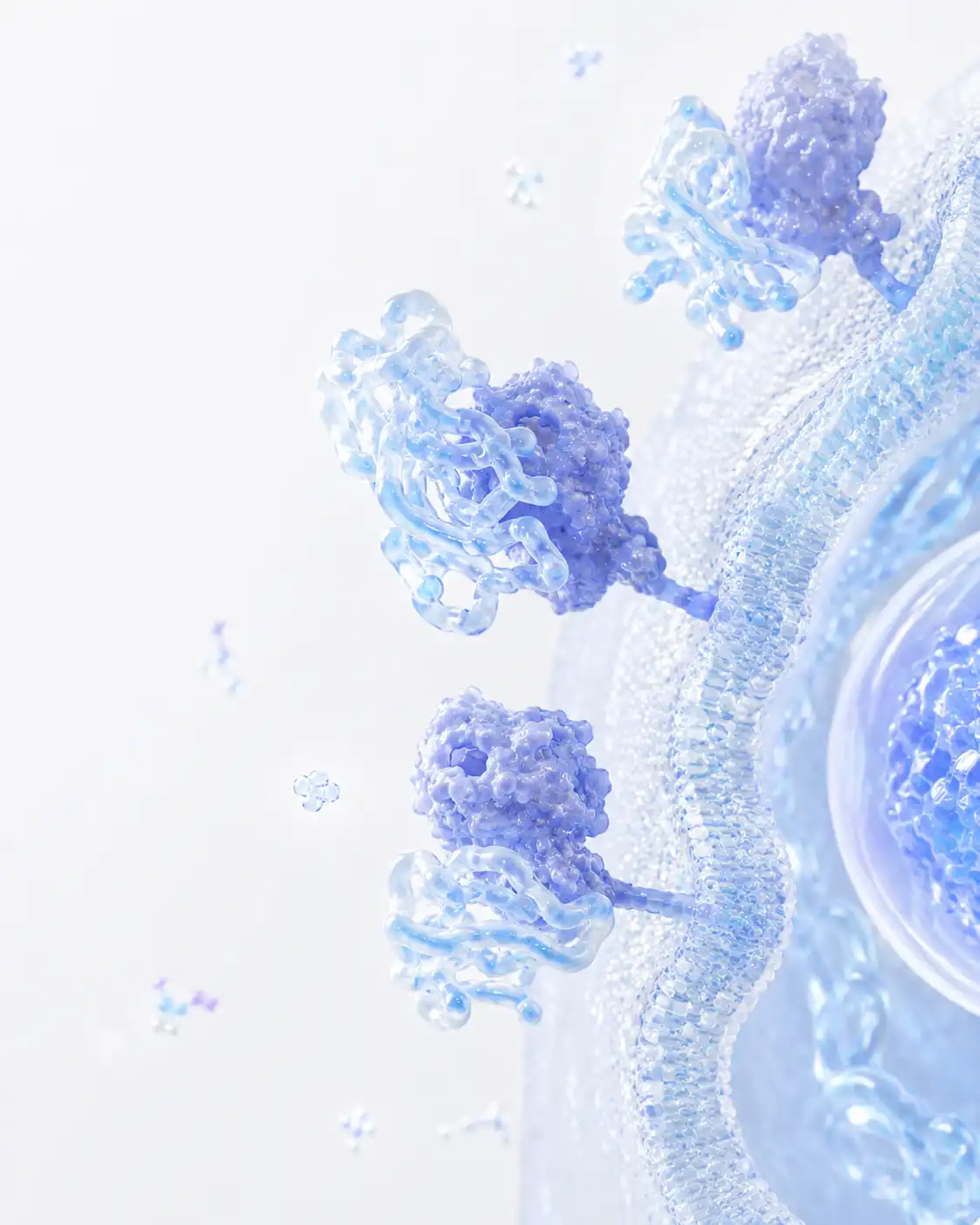
Chronic inflammation + active ADAM-17
02.
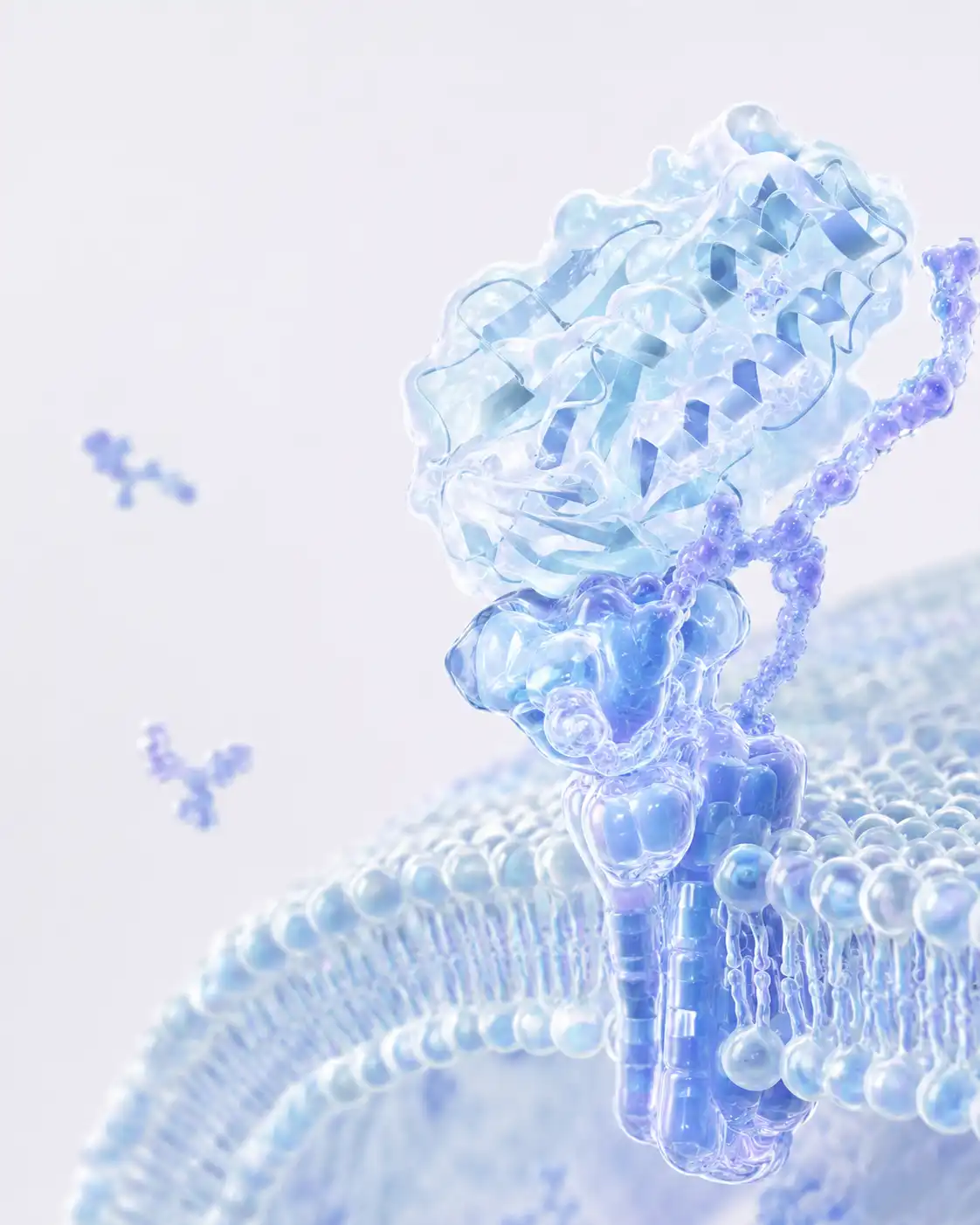
AAT inhibits ADAM-17 + dampens cytokines
03.
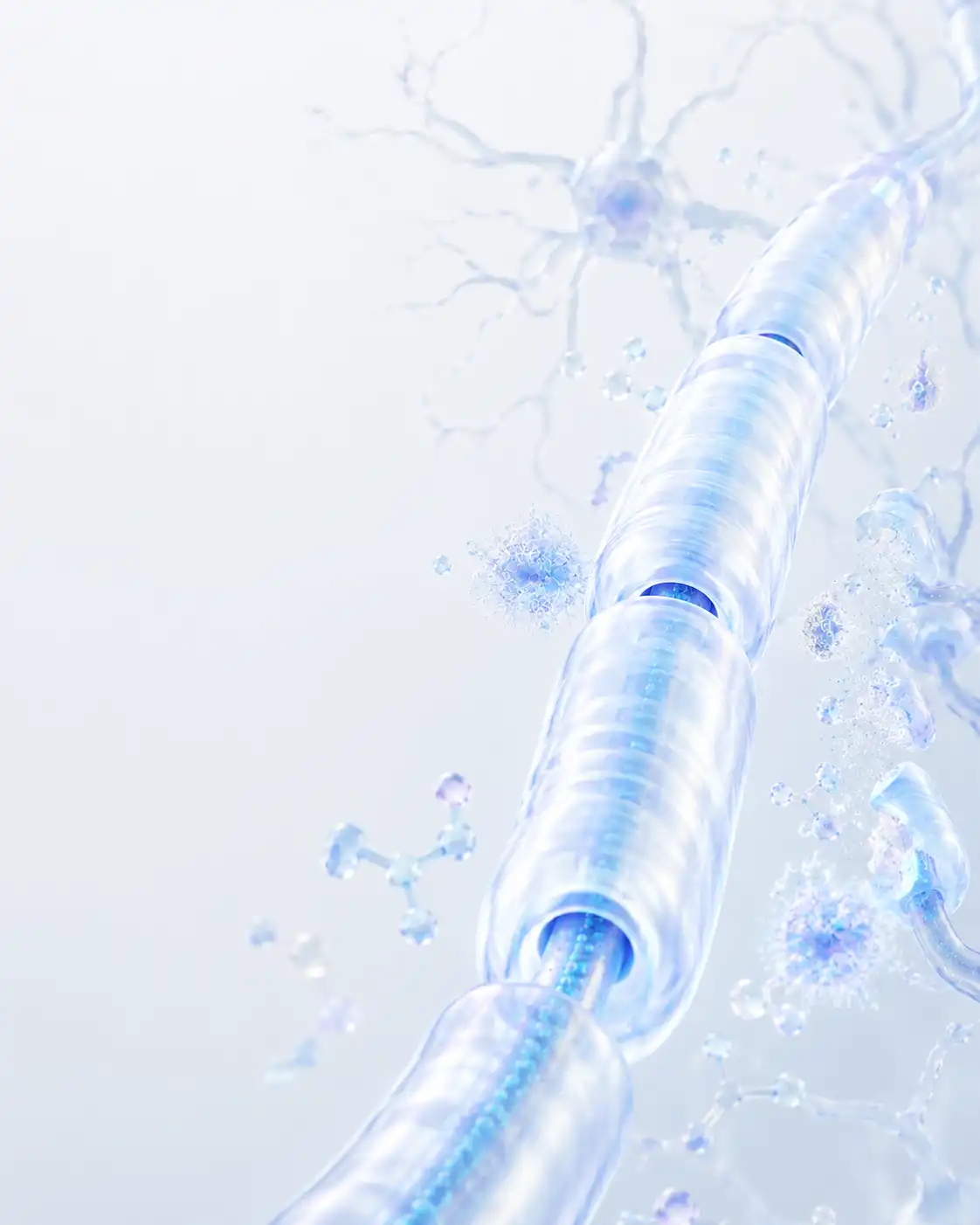
Myelin preserved, nerve degeneration slowed

Established clinical
experience
Alpha-1 Antitrypsin (AAT) is a naturally occurring serine protease inhibitor produced by the liver. Its therapeutic use in patients with AAT deficiency spans more than three decades, resulting in a well-established safety and tolerability profile. This extensive clinical experience provides a strong foundation for development in new therapeutic indications.

Broad biological
activity
Beyond its role as a protease inhibitor, AAT exhibits a range of anti-inflammatory and immunomodulatory properties. Research has demonstrated its ability to regulate key inflammatory pathways, including cytokines such as IL-6 and TNF-α, which are implicated in chronic tissue injury and disease progression across multiple disorders.

Mechanistic revelance
in CMT disease
AAT targets biological pathways directly relevant to CMT. By inhibiting ADAM-17, a metalloprotease involved in axonal myelination, AAT may help preserve peripheral nerve function. Through its combined effects on inflammation and myelin-related processes, AAT offers a differentiated approach to addressing key drivers of CMT progression.
"AAT holds the potential to relieve the inflammatory component of CMT, alleviating symptoms as well as reversing disease progression."
Nikolay Zhukovsky, PhD, MBA, CEO
Preclinical studies conducted by Ageronix demonstrated that AAT slowed disease progression and improved key markers associated with peripheral nerve degeneration in a transgenic mouse model of CMT1A.

Slowed disease
progression.
AAT-treated mice showed measurable preservation of motor function vs. untreated controls.

Reduced inflammatory
cytokines.
Significant decrease in IL-6 and TNF-α levels in peripheral nerve tissue.

Recovered
nerve integrity.
Partial reversal of the characteristic peripheral nerve degeneration associated with CMT1A.
AAT Reduces Key Inflammation Markers and Axonal Degeneration in CMT1A Mice
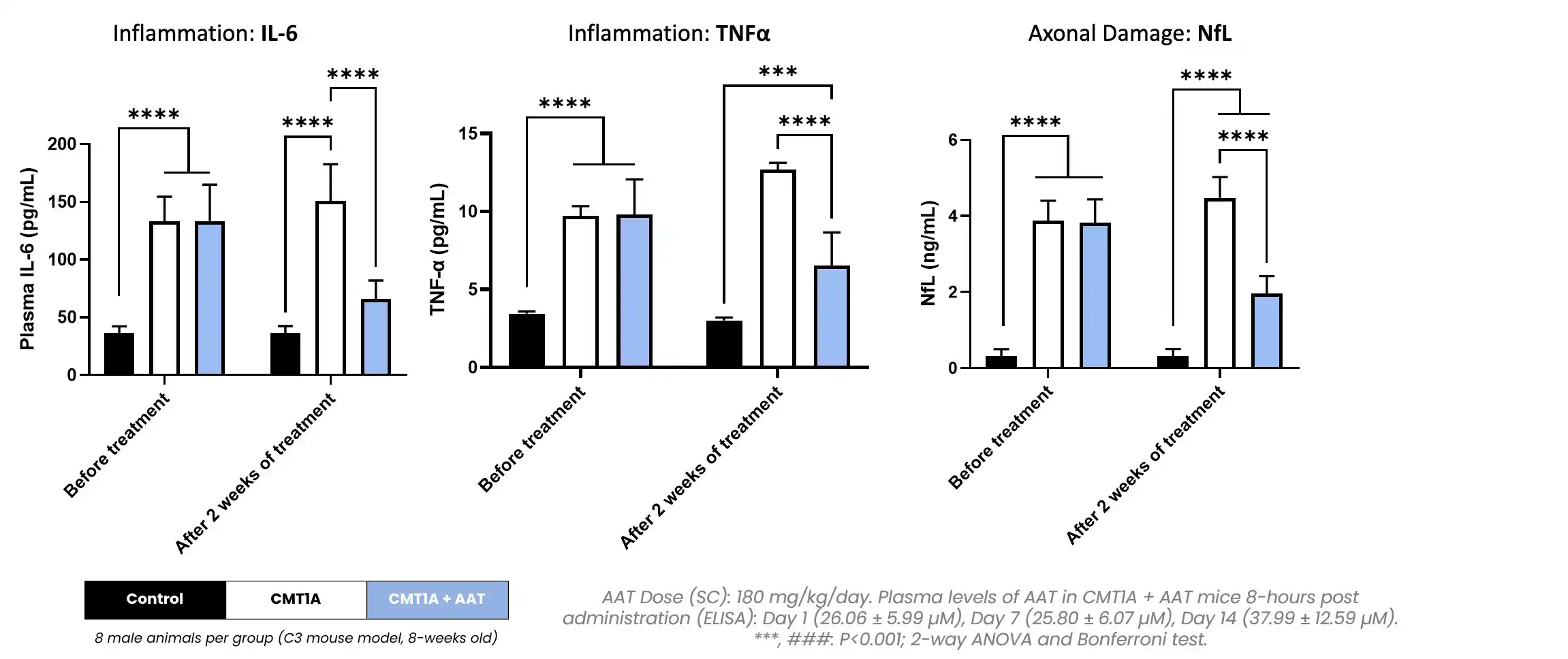
Effects of AAT treatment in a C3 mouse model of Charcot–Marie–Tooth disease type 1A.
Eight animals per group were treated with daily injections of clinical-grade AAT for 14 days, starting at 8 weeks of age when disease was established; analyses were performed at 10 weeks. AAT significantly reduced systemic inflammation, as indicated by decreased plasma levels of Interleukin-6 (IL-6) and Tumor Necrosis Factor alpha TNF-α). In addition, AAT treatment attenuated axonal degeneration, evidenced by significantly lower plasma levels of Neurofilament light chain (NfL) compared to untreated controls.
AAT Restores Axons, Myelination,
and Neuromuscular Function in CMT1A Mice
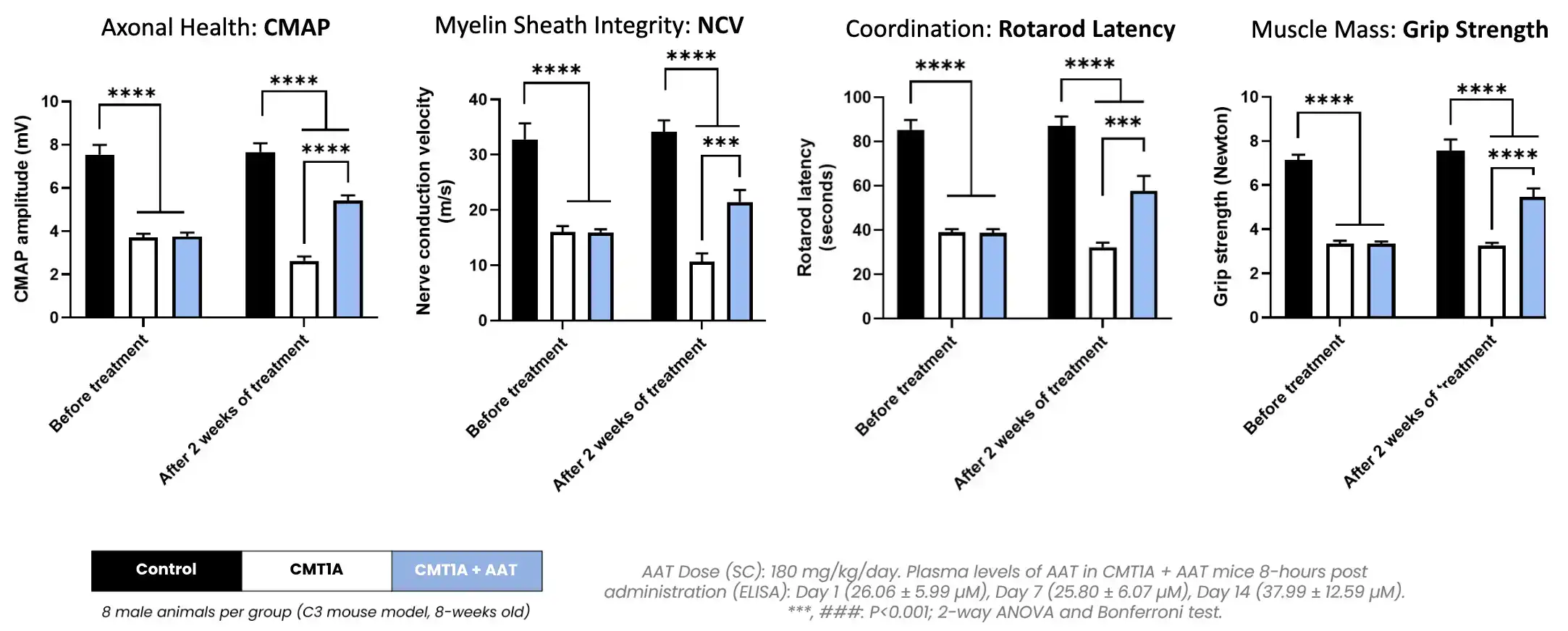
Electrophysiological and functional outcomes following AAT treatment in a C3 mouse model of Charcot–Marie–Tooth disease type 1A.
Electrophysiological assessments showed that AAT-treated mice exhibited significant improvements in compound muscle action potential (CMAP) amplitude and nerve conduction velocity (NCV), key indicators of disease progression. Behavioral analyses further demonstrated enhanced neuromuscular function, with significant increases in rotarod latency and grip strength compared to untreated controls. These findings indicate that AAT treatment improves both electrophysiological and functional outcomes in CMT1A, supporting its therapeutic potential.
For more information
please get in touch at:
info@ageronix.com
Avenue de la Roseraie 64
1205, Geneva - Switzerland
+41 223 79 46 43
© AGERONIX 2026 - ALL RIGHTS RESERVED
WEBDESIGN BY OBLIQUE STUDIO